history
The History of Chelsea
Long before Chelsea became the city people know today, the land was part of a much older story. The hills, valleys, and wooded land that now make up Chelsea were once connected to Creek Indian territory. The land was hunted, traveled, and lived around long before roads, railroads, churches, stores, or neighborhoods appeared.
After the Battle of Horseshoe Bend in 1814 and the Treaty of Fort Jackson, large amounts of Creek land were opened to settlement. In the years that followed, pioneer families began moving into what would later become Shelby County communities like Chelsea, Harpersville, Wilsonville, Sterrett, and Vincent. These early settlers built their lives from the ground up, clearing land, raising families, farming, worshiping together, and creating the first pieces of community life.
The Melrose Years
Before it was known as Chelsea, the community was called Melrose. In the mid-1800s, Melrose was not a busy city or even a large town. It was a rural community shaped by farms, churches, family names, dirt roads, and small gathering places. Life moved slower, and people depended heavily on neighbors, local churches, and family connections.
Some of the early family names connected to the area include Blackerby, Chesser, Crane, Gilbert, Kendrick, Niven, Quinn, Spearman, and Weldon. These families helped form the foundation of the community long before Chelsea became incorporated. Their names still appear in local history, cemeteries, buildings, roads, and stories passed down through generations.
One of the strongest reminders of early Melrose is Old Quinn Burying Ground. Established in 1849 by Loftin Quinn, a veteran of the War of 1812, the cemetery connects modern Chelsea to some of its earliest settlers. Places like Old Quinn show that Chelsea’s history is not just about buildings and dates. It is about real people who lived, worked, worshiped, served, and were buried in the community they helped build.
The Railroad Changes Everything
The biggest turning point for Melrose came in 1908 when the railroad came through the area. Before the railroad, the community was spread out and rural. Once the tracks were built, people began moving closer to them, and the town started to take shape around the railroad.
Because there was already another place named Melrose along the railroad route, the community was renamed Chelsea. That name change marked the beginning of a new chapter. The railroad connected Chelsea to surrounding areas and helped bring more activity, movement, and business into the community.
As the town grew around the tracks, small businesses began to appear. Early Chelsea included general stores, a drugstore, a sawmill, a gristmill, a cotton gin, a planing mill, a blacksmith shop, a barber shop, and a post office. These were not just businesses; they were gathering places. They were where people bought supplies, heard news, met neighbors, and stayed connected.
A Small Town Built by Everyday People
For much of its history, Chelsea remained a small rural community. It was not built all at once. It grew slowly through the work of ordinary families, farmers, store owners, church members, and community leaders. The people of Chelsea built homes, opened businesses, raised children, served in wars, attended church, and helped their neighbors.
The Crane Home is one example of the kind of historic place that helps tell this story. Built around 1897, the home stands as a reminder of Chelsea’s older residential and family history. Today, as part of the Chelsea Historical Museum, it helps connect visitors to the people and places that came before modern Chelsea.
Churches also played an important role in the area’s history. In early rural communities, churches were often more than places of worship. They were centers of social life, support, and identity. Cemeteries, church records, and historic church buildings help preserve the names and stories of the people who shaped Chelsea before it became the growing city it is today.
From Community to City
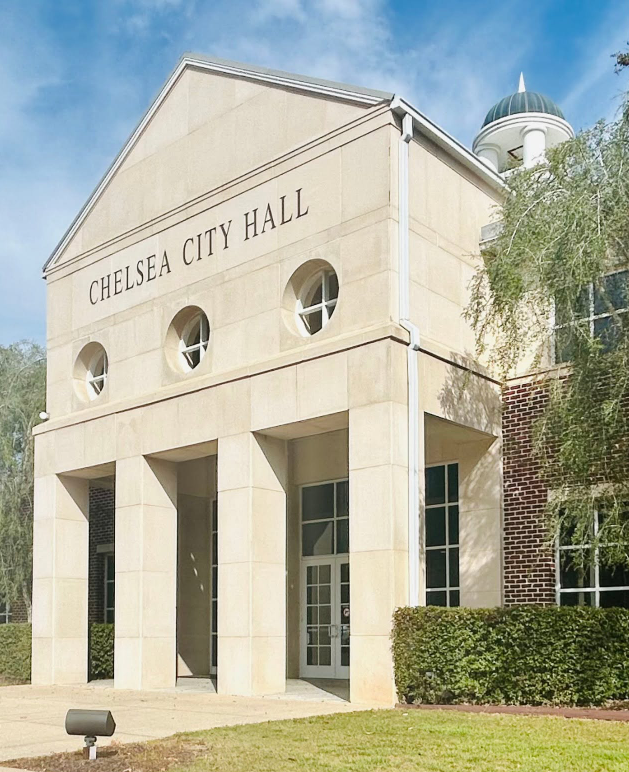
Chelsea was officially incorporated on March 1, 1996. At the time, Chelsea still had fewer than 1,000 residents. Incorporation gave the community its own city government and a stronger local identity. It also helped guide the growth that would come in the years ahead.
After incorporation, Chelsea changed quickly. What had once been a quiet rural community began growing into one of the fastest-growing cities in Alabama. Neighborhoods expanded, schools grew, businesses opened, and more families moved into the area. Roads like U.S. Highway 280 helped connect Chelsea to Birmingham and other parts of Shelby County, bringing both opportunity and change.
Even with that growth, Chelsea’s older history did not disappear. It is still found in historic homes, cemeteries, railroad memories, family names, old churches, and community landmarks. These places remind residents that Chelsea was not always the city seen today. It was once Melrose, a small rural community built by people who worked hard and stayed connected to one another.
Chelsea Today
Today, Chelsea continues to grow while still holding onto its roots. The city now includes schools, neighborhoods, parks, businesses, churches, restaurants, public services, and community events. New families continue to move here, but the history of old Melrose and early Chelsea remains an important part of the city’s identity.
The Chelsea Historical Society helps preserve that story by collecting, protecting, and sharing the history of the people, places, photographs, documents, and memories that shaped the community. Chelsea’s history is not only about the past. It is also about remembering where the city came from as it continues to grow into the future.